Golden and crisp around the edges, soft and fluffy in the center, this gluten-free German pancake rises impressively in the oven with little effort.
Looking for something specific?


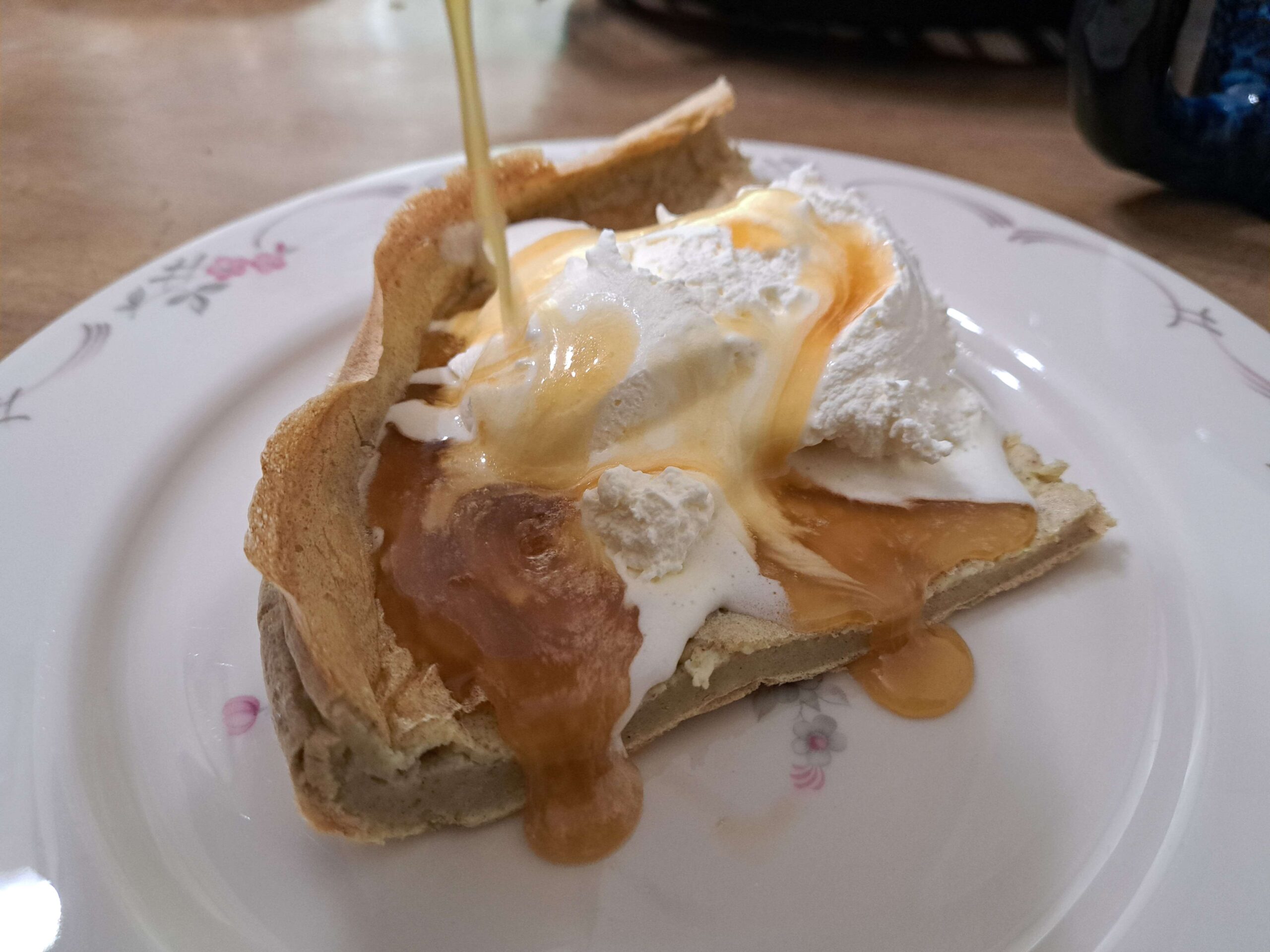
This syrup is rich, deeply buttery, and caramelly, with just enough tang to keep the sweetness from tasting flat. The syrup sinks into every soft crevice of the pancake, turning a simple breakfast into something genuinely special.
I make butter syrup to go with my gluten-free German pancake, although it is every bit as good over waffles, French toast, or an ordinary stack of pancakes. It comes together quickly from simple pantry ingredients, making it an easy maple syrup alternative. And once you have tasted it warm from the stove, you may find yourself making pancakes simply as an excuse to have it again.
;void(0); "Share on pinterest")
(1) Add the sugar, butter, and milk to a medium saucepan. Cook over medium heat, stirring occasionally, until the butter has melted. Be sure to leave plenty of room in the pan - the syrup may triple in volume when you add the baking soda.
(2) Bring the mixture to a gentle boil and cook for 5–7 minutes, stirring frequently. It should begin to thicken and take on a syrupy consistency.
(3) Remove the pan from the heat and add the baking soda. Stir continuously until it is completely incorporated. The syrup will foam and rise dramatically - this is where the magic happens! Keep stirring and watch carefully to prevent it from overflowing.
(4) After about one minute, once the foam has begun to subside, carefully pour the syrup into a heat-safe serving vessel. It will thicken slightly as it cools to a comfortable serving temperature.
(5) Serve warm over pancakes, waffles, French toast, or anything else that could use a little buttery sweetness.
Note: this recipe makes about a cup of syrup, or enough for ~3 people to enjoy on pancakes. If you are cooking for more, double the recipe.
This homemade butter syrup is quick and easy to make, requiring only a few ingredients and about 10 minutes at the stove. The process is simple, but timing - and a saucepan with plenty of extra room - makes the difference between a thin sugar sauce and a rich, smooth syrup. That said, with a little finesse, you can whip up a batch of syrup while your pancakes cook!

The key to good butter syrup is giving the butter, sugar, and milk enough time to cook together. About seven minutes at a gentle, steady boil is ideal. Cook it for less time and the syrup may remain a little thin. It will still taste delicious, but it will not develop quite the same smooth, cohesive consistency.
Keep the heat at medium and stir frequently, especially as the mixture begins to thicken. If it cooks for too long - or boils too vigorously - the sugar can begin to caramelize and the milk solids may scorch. Instead of a pourable syrup, you may end up with a darker, thicker mixture that is sticky, grainy, or slightly separated. Watch the color and aroma: if it begins to darken rapidly or smell toasted, remove it from the heat.
The syrup will continue to thicken as it cools, so do not wait for it to reach its final consistency in the saucepan. It should still be fairly fluid when you remove it from the heat.
This recipe makes approximately one cup of butter syrup, which should be plenty for two to four people, depending on how generously everyone pours. For a larger breakfast, I recommend doubling the recipe so no one has to ration the syrup.
Although the finished yield is only about one cup, the mixture expands dramatically when the baking soda is added. The baking soda reacts with acidic components in the milk while the syrup is still hot, creating carbon dioxide bubbles and a thick layer of foam. The mixture can easily double - or briefly approach triple - its original volume, so use a saucepan with plenty of empty space. A medium, two-quart saucepan is a safer choice than a small saucepan.
The foam settles as the syrup rests, so your serving pitcher does not need to be nearly as large. Any heat-safe vessel that holds one to two cups should be adequate. Pour carefully, since the freshly cooked syrup will be extremely hot.
Store leftover syrup in a covered container in the refrigerator. Reheat it gently in a saucepan or microwave, stirring frequently, until it becomes smooth and pourable again.
Thin syrup usually has not cooked long enough; aim for about 7 minutes at a gentle boil.
If your syrup is very thick, dark, grainy, or sticky, it may have cooked too long or at too high a temperature.
See the recipe notes for more details.
Golden and crisp around the edges, soft and fluffy in the center, this gluten-free German pancake rises impressively in the oven with little effort.
A healthy and delicious take on gluten free banana bread, this recipe brings some nuttiness in with almond flour and walnut crumble on top.
Fluffy and buttery, these gluten-free sourdough biscuits are an easy homemade side for breakfasts or comfort-food dinners.

